The Future of AI Administration

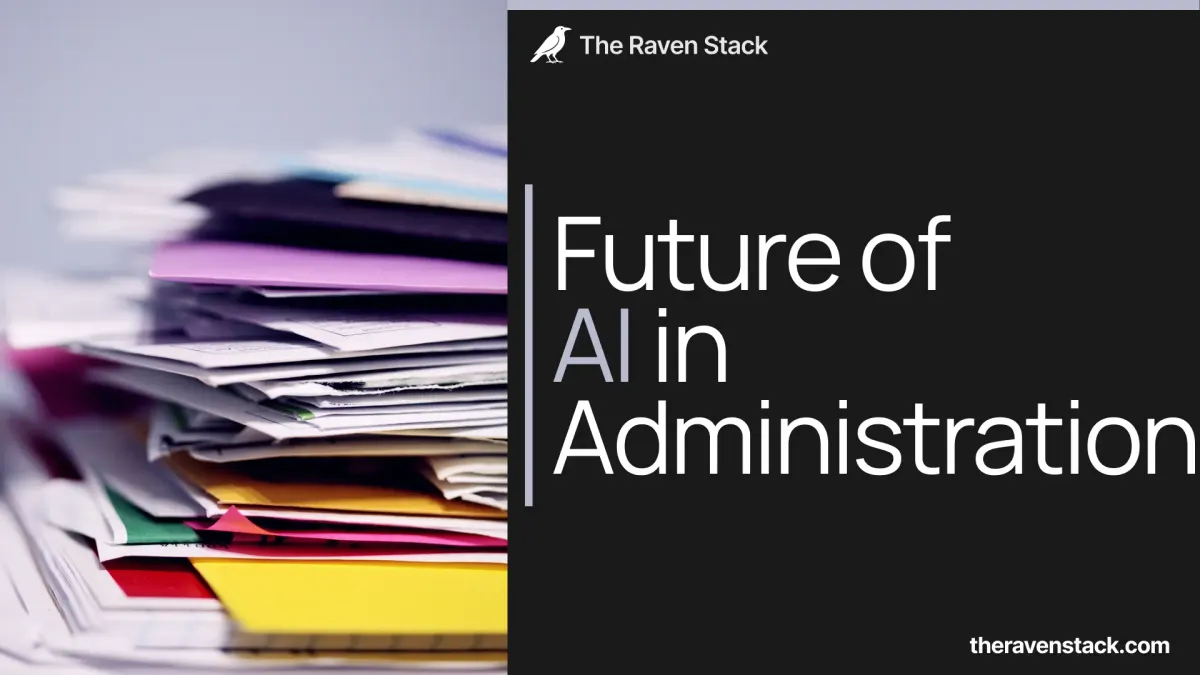
Artificial Intelligence (AI) is changing administration. It is no longer a buzzword. AI is now a key tool in many sectors.
From healthcare to music publishing, AI is making a clear mark. It handles tasks, helps decisions, and saves time. The upside is huge.
AI administration is more than tech. It changes how groups work. It brings AI into daily tasks.
Business administration with a concentration in applied AI is growing fast. This mix of old skills and new tech prepares people for the future.
AI in healthcare administration is a big shift. It helps with patient flow and resource use. The result is better care and smoother work.
AI music publishing administration services are changing the industry. They automate rights work and royalty splits. That makes the process faster and clearer.
AI governance and policy matter a lot. They support fair and responsible AI use. That helps build trust and accountability.
AI management and oversight help keep systems strong. They reduce bias and support rule compliance. That is key for good AI implementation.
AI leadership helps guide teams through tech change. It builds innovation and flexibility. These skills matter for staying competitive.
AI chatbots for system administration tasks are growing fast. They give 24/7 support and raise efficiency. This eases the load on staff.
The future of AI in administration looks bright. It can reshape industries and open new chances. Adapting to change is key to success.
Understanding AI Administration: Definitions and Core Concepts
AI administration is a broad concept. It brings AI into admin roles and workflows. This mix aims to raise efficiency and improve decisions.
At its core, AI administration has several parts. Automation of routine tasks stands out. AI can handle repeat work, freeing people for strategy.
Machine learning is another key part. It lets AI systems learn and adapt. As they process data, they get better over time.
Natural Language Processing (NLP) is also important. It lets AI understand and reply to human language. This matters for tasks that need human contact.
Data analytics is a strong tool in AI administration. It looks at large data sets to find useful insights. These insights guide better choices and planning.
AI administration has challenges too. Ethical issues and data privacy are major concerns. They need good governance and oversight.
Key concepts include:
- Automation: Streamlines repeat tasks and boosts efficiency.
- Machine Learning: Improves AI's learning over time.
- Natural Language Processing: Lets systems understand human language.
- Data Analytics: Gives useful insights from large data sets.
- Ethical Governance: Supports fair and responsible AI use.
AI administration is changing fast. New tools and apps are constantly appearing. Staying informed is key in this changing space. The future is full of promise for those who adapt.

The Evolution of Business Administration with a Concentration in Applied AI
The link between AI and business administration has sparked a major shift. It is changing old habits and adding new methods. As AI grows, so do its admin uses.
Business administration with a concentration in applied AI is a growing field. Students learn to use AI tools to improve business work. This path gives a strong edge in a changing market.
Applied AI in business goes beyond automation. It uses smart planning to boost productivity. By studying data, AI helps firms adjust to market changes fast.
There are several areas where AI affects business administration:
- Customer Relationship Management: AI improves customer contact and satisfaction.
- Supply Chain Optimization: Improves efficiency and cuts costs.
- Financial Analysis: Gives better forecasts and risk checks.
- Human Resources Management: Speeds up hiring and employee engagement.
This concentration also covers ethical use and data protection. It is vital to make rules that guide AI use well. Ethical issues are key to trust and legal compliance.
The demand for applied AI skills is rising. Companies want people who can manage AI tools well. This points to a strong career path.
As business gets more data-driven, AI will play a larger role. People with applied AI training will lead this shift. They will help firms use AI for strategy.

Key Applications of AI in Modern Administration
AI tech is making strong progress in modern administration. It is changing how groups work and serve people. This shift shows up in many admin jobs across industries.
AI applications improve decision-making. By studying large data sets, AI gives insights that support planning. It cuts human error and raises forecast accuracy.
One area where AI stands out is data management. Automated systems sort, store, and find data fast. This speeds up admin work and cuts time on dull tasks.
AI is also key in resource allocation. It helps use assets well, raising efficiency. Groups can cut waste and focus on work that adds value.
Below are some key uses:
- Customer Service: AI chatbots handle questions all day and night.
- Finance: AI automates invoicing and expense tracking.
- Human Resources: AI helps with employee reviews.
- Project Management: AI tools improve scheduling and resource distribution.
Personalization is another AI benefit. Tailored services meet unique customer needs and raise satisfaction. This not only builds loyalty but also gives firms a better market edge.
Security in administration is stronger with AI. AI spots and stops cyber threats in real time. This fast response is vital for protecting sensitive data.
AI also builds collaboration inside groups. It links communication gaps with shared systems. Smooth interaction leads to better teamwork and higher output.

by Igor Shalyminov (https://unsplash.com/@ishalyminov)
AI in Healthcare Administration
AI is changing healthcare administration. It improves patient flow and work efficiency. These gains lead to better patient outcomes and satisfaction.
In scheduling, AI cuts appointment waits. It predicts patient no-shows and sets better time slots. This makes better use of healthcare resources.
AI also helps with patient data management. It automates data entry, easing admin load. With accurate data handling, providers can focus on care.
Key AI uses in healthcare include:
- Resource Allocation: AI helps staff and equipment fit the need.
- Predictive Analytics: It predicts admissions and prepares teams.
- Financial Management: AI handles billing with more accuracy.
AI improves communication between departments. It makes information sharing smoother and care coordination better. This is key for full healthcare delivery.

by Vitaly Gariev (https://unsplash.com/@silverkblack)
AI Music Publishing Administration Services
The music industry is changing fast through AI. AI streamlines music publishing admin work and drives efficiency. These tools automate the hard parts of rights management.
Royalty distribution is easier with AI. It helps send timely and accurate payments to artists. This clear process builds trust and improves industry ties.
AI uses in music administration include:
- Rights Management: Automated tracking of music licenses.
- Data Analysis: Clear analysis of music trends and results.
- Contract Management: Easier drafting and handling of artist contracts.
AI also shapes promotion in the music sector. It studies audience tastes for targeted campaigns. Personalization boosts engagement and album sales.
This tech gives artists more control over their work. They can track performance and manage rights well. It helps creators in a complex space.

by Egor Komarov (https://unsplash.com/@egorkomarov)
AI Chatbots for System Administration Tasks
AI chatbots are changing system administration. They give 24/7 support and raise efficiency. These bots handle routine questions, freeing staff for harder tasks.
Troubleshooting is faster with AI chatbots. They offer quick fixes for common tech issues. This faster response cuts downtime and raises output.
AI chatbots offer several benefits:
- User Support: They give fast help and info.
- Task Automation: Chatbots automate routine system checks.
- Cost Reduction: Automated support lowers costs.
Integration with existing systems is smooth. AI chatbots fit into workflows with ease. This flexibility is key to getting the most from them.
As tech changes, AI chatbots will grow more advanced. They will handle harder system admin tasks well. Their growth points to smarter, more responsive operations.

by Bernd 📷 Dittrich (https://unsplash.com/@hdbernd)
AI Operations, Coordination, and Oversight
AI is central to better operations across industries. Its place in daily work supports speed and accuracy. In administration, AI streamlines workflows and cuts repeat work.
Effective AI operations need clear coordination. Bringing AI into current systems takes careful planning. This fit helps AI support, rather than disrupt, existing work.
Oversight plays a key role in keeping AI systems strong. Constant monitoring helps spot faults early. It also makes sure AI systems meet performance goals.
Coordination between departments supports a full AI implementation. Shared effort gets more from AI and keeps work smooth. This cross-team work lifts overall output.
Key parts of AI operations include:
- Workflow Optimization: Streamlining work to improve efficiency.
- Data Management: Keeping data accurate and on time.
- Resource Allocation: Using resources well based on AI insights.
- Quality Control: Keeping high standards through automated checks.
Operational efficiency is not the only AI gain. It also helps planning by giving useful insights. Decision-makers use AI data to make better choices.
Oversight makes sure AI systems stay within ethical rules. Regular reviews prevent bias and support compliance with regulations. This oversight is key to public trust.

by Jonathan Kemper (https://unsplash.com/@jupp)
AI Governance, Policy, and Ethical Considerations
AI governance matters for managing AI's impact across sectors. Good governance guides ethical AI deployment. It helps technology serve society well.
Setting AI policy means balancing innovation with rules. Leaders must handle risks and ethical issues. Clear policies build trust with stakeholders.
The ethical use of AI is a growing concern. It means making sure AI decisions are fair and unbiased. Protecting data privacy is key to user confidence.
Groups are building ethical rules for AI. These rules differ by industry, but they share common goals. They protect both users and developers.
Key elements of AI governance include:
- Transparency: Clear words about AI's role and limits.
- Accountability: Clear ownership for AI actions and results.
- Fairness: Making sure AI does not spread discrimination.
- Privacy: Protecting personal data from bad access.
AI policy work has several challenges. Fast progress can outpace current rules. That creates a need for faster policy responses.
Ethical issues must grow with the tech. Regular review is key to matching AI with social values. This active approach helps prevent harm and supports progress.

by Shubham Dhage (https://unsplash.com/@theshubhamdhage)
AI Management and Leadership: Skills for the Future
AI management matters as groups rely more on AI tech. Leaders in this field need a unique skill set. Technical know-how and strategic insight both matter.
Good AI leadership means guiding teams through tech change. It is about building a space that supports innovation. Leaders must inspire trust and flexibility in their teams.
Understanding tech is vital, but it is not enough alone. Leaders also need a strong grasp of business strategy. They should align AI work with larger goals.
Key skills needed for AI management include:
- Technical Proficiency: Understanding AI tech and data science.
- Strategic Vision: Building long-term AI plans that match company goals.
- Communication Skills: Clearly explaining AI goals and steps to stakeholders.
- Problem-Solving Abilities: Tackling hard problems with creative fixes.
- Flexibility: Responding well to fast tech change.
AI leaders should keep learning. The AI space changes fast, and staying current matters. Networking with peers and joining AI forums can bring useful ideas.
Finally, ethical leadership is central to AI management. Leaders must make sure AI is used in an ethical way. This means building a culture of fairness and openness in their groups.

by Chase Chappell (https://unsplash.com/@chappelldigitalmarketing)
AI Implementation: Strategies, Challenges, and Best Practices
Successfully adding AI to organizations takes careful planning and execution. A smart plan keeps AI tied to business goals.
First, groups must check their AI readiness. This means reviewing current systems and skills. Knowing your starting point helps planning.
Choosing the right AI tools is key. Different options have different strengths, so pick ones that fit your needs. Judge tools by scale, flexibility, and integration.
Data quality has a big effect on AI results. Clean, accurate data is the base of good AI systems. Regular checks and updates help keep data sound.
Groups often face issues during AI implementation. Common problems include data privacy worries and setup hurdles. Good planning and flexible answers can address these.
Adding AI is not just about tech; people matter too. Change management is vital for smooth shifts. Training and support help staff adapt to AI-driven work.
Here are some best practices for effective AI implementation:
- Conduct Thorough Needs Analysis: Know your needs before investing in AI.
- Prioritize Data Governance: Set strong rules for data management and protection.
- Foster an AI-Driven Culture: Encourage innovation and learning inside the group.
- Monitor and Evaluate: Check AI performance often so it can improve.
- Collaborate with Experts: Work with AI specialists for insight and guidance.
Finally, ongoing review and iteration are key to long-term AI success. The AI space changes fast, so updates are needed. Regular feedback loops can guide changes.

by Growtika (https://unsplash.com/@growtika)
Case Study: AI Startup Reinsurance Treaty Administration Automation (Funded 2024--2025)
AI is set to reshape the reinsurance industry in the coming years. A startup, funded for 2024--2025, is leading this shift.
This startup focuses on treaty admin automation. By using AI, it aims to streamline work, cut errors, and improve efficiency. It points to a new era in reinsurance management.
Automation in reinsurance has several key parts. AI handles complex data analysis tasks, quickly finding patterns and trends. This cuts manual work and helps with better decisions.
The expected benefits of this AI effort include:
- Improved Accuracy: Fewer human errors in treaty processing.
- Cost Savings: Lower operating costs through better efficiency.
- Faster Turnaround: Quicker treaty admin tasks.
- Increased Capacity: Letting underwriters focus on strategy.
The startup's approach shows AI's value in insurance. But data security and system integration are still challenges. Addressing these is vital for long-term success.
This effort points to a wider trend in finance. As more startups enter the field, competition is likely to rise. Companies will need to keep innovating to stay ahead.
This case study is a guide for how AI can reshape old industries. It shows how tech can drive business change.

by KOBU Agency (https://unsplash.com/@kobuagency)
Cyberspace Administration and AI: Security, Privacy, and the Role of Ailiuwired
The digital world is growing, with AI playing a bigger role. In cyberspace administration, AI is a powerful tool. Its skills boost security and streamline work in new ways.
Ailiuwired, a trailblazing group in cyberspace governance, shows this trend. It focuses on using AI to strengthen digital infrastructure. The goal is to protect sensitive data from new threats.
Key areas where AI affects cyberspace administration include:
- Enhanced Security: AI finds and stops cyber threats early.
- Data Privacy: Keeping personal info safe and confidential.
- Efficient Monitoring: Constant checks of digital spaces for weak spots.
Security and privacy problems are key in cyberspace. As AI use grows, rules and policies must change too. Groups like Ailiuwired play a key role in shaping these rules.
AI-driven tools are essential for trust in digital systems. They give proactive defense, reducing the need for reactive fixes. Still, using these tools takes careful planning and ethical thought.
As cyberspace keeps changing, the need for strong AI governance grows too. Industry leaders must put transparency and accountability first. Partnerships with regulators will help balance innovation and control.
In closing, Ailiuwired and similar groups show AI's major impact. Their work highlights the value of using advanced tech in digital administration.

by ThisisEngineering (https://unsplash.com/@thisisengineering)
The Future Landscape: Trends and Predictions for AI in Administration
AI's role in administration is set for major change. Looking ahead, several trends will shape the future. Groups need to be ready for these shifts.
First, personalization is set to change admin tasks. AI systems will offer more tailored answers, boosting productivity. This shift will improve user experience and workflow.
Another key trend is AI use across departments. Teamwork between AI tools and staff will become smooth. This hybrid model will help groups get the best of both worlds.
AI-led decision-making will also grow. As systems get smarter, reliance on AI for strategic choices will rise. This shift will likely reduce bias and human error.
We can also expect more AI-related jobs. More people will focus on AI management, policy, and oversight. This shows the need for skills in AI governance and ethical use.
Predictions for the future of AI in administration include:
- Greater Compatibility: AI systems will work across many platforms.
- Advanced Analytics: Predictive analytics will guide planning.
- Enhanced Security: AI will strengthen defense against digital threats.
These trends show AI's power to reshape administration. But ethical issues and data privacy remain. Addressing them is vital for success.
By staying informed and ready, groups can use AI well. Embracing these trends will drive innovation and give firms a stronger edge in admin work.

by Brecht Corbeel (https://unsplash.com/@brechtcorbeel)
Conclusion: Embracing the AI-Driven Administrative Future
AI has a huge and lasting role in administration. As AI tech grows, its use in admin roles opens new chances. Embracing change is key to staying competitive.
AI offers many benefits, including more efficiency and lower costs. By automating routine work, AI frees people for strategic tasks. This lets groups focus on growth and new ideas.
But the move toward AI-driven administration needs careful planning. Stakeholders must think about ethics, data privacy, and skilled staff. Dealing with these issues is vital for success.
In closing, the future of administration lies in using AI's full potential. Groups must take a proactive path to AI integration. By doing so, they can unlock new levels of productivity and service quality.
Q&A
Question: What is AI administration, and why is it important?
Short answer: AI administration means using AI in admin roles, workflows, and decisions. It matters because it helps groups automate routine work, study large data sets, improve resource use, cut errors, and free staff for more strategic tasks.
Question: Which areas of administration are most affected by AI?
Short answer: AI affects many admin areas, including healthcare administration, business administration, music publishing, system administration, security, finance, human resources, and project management. Across these areas, AI supports scheduling, rights management, customer service, predictive analytics, invoicing, performance review, and threat detection.
Question: Why are AI governance and ethical oversight necessary?
Short answer: Governance and oversight help make AI systems clear, accountable, fair, and privacy friendly. They are necessary because AI can affect major choices, handle sensitive data, and create bias if not watched carefully. Strong policies and regular review help keep trust and rule compliance.
Question: What skills will future AI administrators and leaders need?
Short answer: Future AI administrators and leaders will need technical skill, strategic vision, communication, problem-solving, flexibility, and a strong grasp of ethical AI use. They must align AI work with group goals while guiding teams through tech change.
Question: What should groups consider before adding AI to administration?
Short answer: Groups should check AI readiness, define clear needs, choose tools that scale and fit their systems, focus on data quality, set strong data rules, and train staff for change. Ongoing monitoring and updates are also key for long-term success.